

PROTECTING YOUR FOURTH AMENDMENT RIGHTS FROM TAMPA FLOCK CAMERAS AND DIGITAL SEARCH WARRANTS
Tampa’s Digital Dragnet: Phones, Flock Cameras and Your FOURTH AMENDMENT Rights
Tampa Bay is building a digital dragnet by utilizing overbroad digital search warrants, Flock Safety cameras, and AI‑powered ALPR surveillance that track where you drive and what’s on your devices. At the same time, Florida’s Second District Court of Appeal is starting to push back on how far police can go into your phone, computer, and home.
This edition of our legal newsletter covers:
- Second DCA digital‑device search warrants
- Flock and ALPR cameras in Tampa school zones and beyond
- Five ways to reduce your digital footprint
- Motions to suppress as the key remedy
Second District Court of Appeals: Limits on Digital Search Warrants
In February 2026, the Second District Court of Appeals heard a case asking whether police can search every electronic device in a home based on one image in one email sent about eight months earlier.
Key issues for Tampa Bay criminal defense and DUI cases:
- Stale probable cause – Judges questioned whether an eight‑month‑old email is fresh enough to justify searching every phone, laptop, and tablet in the house.
- Overbroad digital warrants – The warrant let officers rummage through all devices instead of targeting particular files, dates, or accounts.
- Mass data exposure – Phones and computers hold years of messages, photos, location data, and app history, so a sloppy warrant exposes far more than any single allegation.
Second DCA decisions bind trial courts in Hillsborough, Pinellas, Pasco, and the broader Tampa Bay region, so this ruling is expected to shape how judges treat digital search warrants in local criminal, DUI, and serious‑felony cases.
Any Tampa Bay case involving a phone, computer, or cloud‑account search, especially when it began with a single message or file should have a digital‑warrant review performed for staleness and overbreadth.

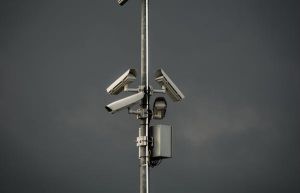 Flock Cameras, ALPR, and AI Surveillance in Tampa
Tampa is deploying Flock‑integrated school zone speed cameras and joining a broader network of automated license plate readers and many think this is a violation of their Fourth Amendment rights.
How the Flock Camera system works:
- Records license plates, dates, times, and locations whenever a vehicle passes a camera, often in school zones and major corridors.
- Sends data into Flock’s AI‑enabled ALPR platform, allowing lookups against “hot lists” (stolen vehicles, warrants, BOLOs).
- Builds a travel history that can be used in criminal cases, immigration enforcement, and civil litigation.
A Tampa‑area analysis notes that Florida Highway Patrol ran 250+ immigration‑related Flock searches in just a few months of 2025, showing how quickly “traffic safety” tools become broader surveillance tools. Litigation in Florida and nationally challenges long‑term ALPR tracking and broad data‑sharing as violations of Fourth Amendment Rights and state privacy protections.
Where a stop, arrest, or investigation began with an ALPR/Flock hit or school zone camera image, our criminal defense lawyers work diligently to obtain ALPR logs, examine retention policies, and probe the accuracy of the underlying databases.
Five Ways to Reduce Your Digital Footprint
You cannot avoid every camera, but you can reduce the exploitable data available against yourself.
- Delete old, sensitive data – Regularly clear emails, messages, and files that are no longer needed, especially anything that could become the “one old email” justifying a sweeping device warrant.
- Limit location tracking and app permissions – Disable “always‑on” GPS where feasible, tighten app permissions, and turn off automatic photo geotagging and redundant cloud backups that create detailed location histories.
- Use encryption and strong passcodes – Ensure all phones, laptops, and tablets use full‑disk encryption and strong passwords instead of simple swipe patterns or 4‑digit PINs. This can affect how, when, and even whether law enforcement gains access to device contents.
- Be strategic about driving and parking – Assume plates can be scanned in school zones and common Flock locations, which is especially important for immigrants, activists, and people already under scrutiny. Long‑term parking in heavily monitored locations builds a persistent movement profile.
- Engage in local surveillance policy fights – Tampa City Council and Hillsborough County meetings on Flock, ALPR retention, and access rules determine how long data is stored and who can see it. In other jurisdictions, public pressure has produced shorter retention windows, warrant requirements for historical look‑ups, and limits on immigration‑related use.
Motions to Suppress: Key Remedy Against Digital Dragnets
None of this surveillance matters in court if the evidence is suppressed. Florida Rule of Criminal Procedure 3.190(h) authorizes motions to suppress evidence obtained through unreasonable searches, invalid warrants, unlawful stops, or coercive tactics.
In Tampa Bay practice, motions to suppress can target:
- Overbroad or stale digital warrants – Arguing that a warrant based on an old, isolated communication allowed an unconstitutional general search of all devices.
- ALPR/Flock‑based stops and investigations – Challenging stops grounded solely in ALPR hits tied to inaccurate data, and attacking long‑term, warrantless tracking under the Fourth Amendment and Florida’s privacy clause.
- Civil and forfeiture actions – In CAFRA and state forfeiture cases, claimants can move to suppress unlawfully obtained evidence much like criminal defendants.
Successful suppression can gut the prosecution’s case, drive substantial charge reductions, or lead to dismissal before trial. Understanding how and when to file a Motion to Suppress Evidence is vital for effective legal defense, and it’s often a key component of trial strategy.
FOR QUESTIONS OR CONCERNS ABOUT YOUR FOURTH AMENDMENT RIGHTS, FLOCK CAMERAS, DCA, SURVEILLANCE, OR any other legal matter, we offer a free consultation and detailed case evaluation.
EXPERIENCE. STANDARDS. RESULTS.
With a combined legal experience of over 50 years in both State and Federal courts, the Tampa Lawyers at Fernandez Law Group are committed to providing quality service to clients while maintaining a high level of respect, integrity, and appreciation for each individuals’ legal needs. If you have questions about the new Florida Supreme Court DUI ruling, or any other legal matter, we’re here to help.
Our Personal Injury Lawyers work aggressively seeking compensation for damages and have recovered millions of dollars in settlements.
Our Criminal Defense Lawyers fight to protect the rights of our clients and have successfully litigated to reduce thousands of sentences and fines.
We offer free initial consultations with detailed case reviews.
CALL US TODAY AT 813-489-3222, USE OUR CONTACT FORM, EMAIL OR TEXT US FOR A FREE CONSULTATION AND CASE EVALUATION.
Learn More: https://thefernandezlawgroup.com
PROTECTING YOUR FOURTH AMENDMENT RIGHTS FROM TAMPA FLOCK CAMERAS AND DIGITAL SEARCH WARRANTS: 5/28/26