

KNOW YOUR RIGHTS DURING A FLORIDA TRAFFIC STOP
In early 2026, traffic enforcement in the Tampa Bay area has been especially visible with DUI patrols, tougher fleeing‑and‑eluding consequences, and serious crash cases all in the headlines.
Gasparilla 2026: A Snapshot of DUI Enforcement in Tampa
- Local coverage of the 2026 parade shows that a relatively small number of people were arrested, but the vast majority of those arrests were for suspected drunk driving after the festivities wrapped up.
- Tampa Police and other agencies placed extra officers along the main routes out of downtown and nearby neighborhoods to watch for impairment, speeding, and other dangerous behavior as crowds dispersed.
- Law enforcement has publicly described Gasparilla as a major DUI‑enforcement weekend, not just a one‑off operation, signaling to Hillsborough County drivers that patrols will be out in force during large gatherings.

 Common Reasons Drivers Get Stopped in Hillsborough and Pinellas
Most traffic encounters in Tampa Bay begin with something ordinary: a claimed moving violation or suspicion that a crime might be occurring.
- Officers regularly cite issues like speeding, drifting in a lane, failure to signal, rolling through stop signs, or driving with broken or missing lights as reasons to initiate a stop.
- In many DUI and criminal‑traffic cases in Hillsborough and Pinellas, reports mention “weaving,” inconsistent speeds, or late reactions to traffic signals as supposed signs of impairment.
- Once the car is stopped, the officer may broaden the encounter into a DUI or criminal investigation based on what they claim to observe—such as the driver’s appearance, speech, or behavior.
Your Core Rights During a Florida Traffic Stop
Even during a stressful stop, Florida drivers still have important rights. Knowing the basics can help you avoid making the situation worse.
- You generally must provide your driver’s license, registration, and proof of insurance if an officer lawfully requests them.
- You do not have to answer questions about drinking, drug use, or where you have been and where you are going; choosing to remain silent about these topics is allowed and can keep you from saying something that will later be used against you.
- Officers may ask you to step out of the vehicle, and in a suspected DUI case they may request that you perform roadside coordination exercises, which they will later describe in detail in their reports.
- Once you are formally placed under arrest and officers begin custodial questioning about the alleged crime, you should be advised of your right to remain silent and your right to consult a lawyer.
There are very short deadlines—often ten days—to act if you want to contest an administrative driver’s license suspension after a DUI arrest in Hillsborough or Pinellas County.

 When a Stop Becomes a DUI Case in Tampa Bay
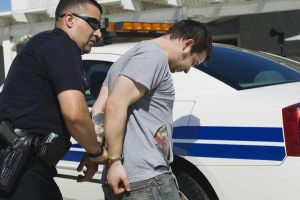
Once a Florida traffic stop turns into a DUI investigation, the potential consequences change dramatically, especially with the way Florida law treats repeat offenses and aggravating factors.
First DUI – Misdemeanor
A first DUI in Florida is prosecuted as a misdemeanor. Fines generally run from $500 to $1,000, with a maximum jail sentence of up to 6 months and a driver’s license revocation between 180 days and 1 year. If the driver’s breath or blood alcohol level is 0.15 or higher, or a minor is in the vehicle, the potential fine can increase up to $2,000, and the maximum jail time can rise to 9 months, along with mandatory ignition interlock and other conditions.
Second DUI within 5 years – Misdemeanor with enhanced penalties
A second DUI is still a misdemeanor, but if it occurs within 5 years of a prior conviction, Florida law builds in stricter consequences. There is a mandatory minimum jail term of 10 days, with a possible total of up to 9–12 months in jail depending on alcohol level and other factors. Fines typically start at $1,000 and can reach $2,000 or more when the BAC is 0.15 or higher or a minor is present, and the driver faces a 5‑year revocation of driving privileges, vehicle impoundment, and an ignition‑interlock requirement.
Third DUI within 10 years – Third‑degree felony
A third DUI where any prior DUI is within the last 10 years can be filed as a third‑degree felony. In that scenario, the court can impose up to 5 years in state prison, a fine of up to $5,000, and a 10‑year driver’s license revocation. Prosecutors retain some discretion and can charge certain third DUIs as misdemeanors, but when the 10‑year look‑back applies and a felony is pursued, the case is treated as a serious offense with long‑term licensing and sentencing consequences.
DUI with property damage – First‑degree misdemeanor
When an impaired driver causes damage to someone else’s property, the offense is elevated to a first‑degree misdemeanor, carrying up to 1 year in jail and fines generally between $500 and $1,000, along with possible probation, community service, and a license suspension.
DUI causing serious bodily injury – Third‑degree felony
If a DUI crash results in serious bodily injury to another person, the charge becomes a third‑degree felony, punishable by up to 5 years in prison plus fines and long‑term license consequences.
DUI manslaughter – Second‑degree (or higher) felony
When an impaired driver causes a death, the crime is typically charged as DUI manslaughter, a second‑degree felony with a maximum 15‑year prison sentence and the potential for permanent or long‑term license revocation; penalties can increase further if the driver leaves the scene of the crash.
Fleeing and Eluding: Why Not Stopping Can Be Worse Than the Ticket
Another trend affecting Tampa Bay drivers is Florida’s tougher stance on fleeing and eluding, which can turn a poor decision during a stop into a serious felony.
- Florida Statute 316.1935 spells out a series of fleeing‑and‑eluding offenses, making it illegal to knowingly fail to pull over or to drive away from an officer who is signaling you to stop.
- Basic fleeing can already be charged as a felony, and the penalties increase when prosecutors allege high speed, reckless driving, or that the officer’s lights and sirens were activated.
- Recent updates raised the ranking of certain fleeing offenses on the state’s sentencing scale, which means those charges now carry heavier weight at sentencing and can more easily lead to prison time rather than probation.
- When fleeing is connected to a crash that seriously injures or kills someone, the law requires mandatory incarceration, and the maximum penalties are similar to other high‑level felonies.

 FLORIDA Traffic Stops, Crashes, and Personal Injury Claims
Florida traffic stops that involve collisions often create both criminal‑law and civil‑law issues, particularly in heavily traveled areas like Tampa, Brandon, Clearwater, and St. Petersburg.
- If a driver is accused of DUI or reckless driving and an accident occurs, prosecutors may file criminal charges at the same time that injured people—or the families of those who may have died—pursue separate claims for compensation.
- Civil claims can seek recovery for medical treatment, lost income, future care needs, pain and suffering, and other long‑term effects of serious injuries.
- In fatal crashes, surviving family members often bring wrongful death suits , using evidence from the original traffic stop, crash reports, and any chemical testing to try to establish liability.
- Because criminal cases and personal injury cases use different burdens of proof, the outcome in one court does not automatically control what happens in the other.
What Drivers in Hillsborough and Pinellas Should Remember
If you are driving in Tampa Bay and you are worried about what could happen in a Florida traffic stop, a few core points are worth keeping in mind.
- During large events like Gasparilla and holiday weekends, there is a strong chance you will see increased patrols and DUI enforcement on major roads and bridges in Hillsborough and Pinellas County.
- Ordinary traffic issues can be enough to justify a stop, and what you say and do once you are pulled over can influence whether the situation stays minor or escalatesinto a criminal investigation.
- DUI penalties in Florida ramp up quickly with each conviction, and factors like high breath‑alcohol readings, minors in the vehicle, crashes, or injuries can move a case into felony territory.
- Choosing not to stop, driving away from a marked patrol vehicle, or speeding up after lights and sirens are activated can lead to separate fleeing‑and‑eluding charges that carry their own felony risks.
- When injuries or fatalities are involved, there may be both criminal exposure and civil liability, and each system has its own deadlines and procedures that can significantly affect the outcome.
How our DUI and Traffic Violation Defense Lawyers Can Help:
After a Florida traffic stop in areas such as Hillsborough or Pinellas—whether it was a DUI arrest, a ticket that seems unfair, or a crash that caused injuries—it can be hard to understand your legal position just by reading articles online.
Speaking with a team of lawyers who regularly handle traffic violations, DUI defense, criminal defense, and personal injury matters in the Tampa Bay area can help you sort through potential defenses, protect your license, and evaluate any injury or insurance claims that may arise from the same incident.
For questions or concerns about your rights during a Florida traffic stop or any other legal matter, we offer a free consultation and detailed case evaluation.
EXPERIENCE. STANDARDS. RESULTS.
With a combined legal experience of over 50 years in both State and Federal courts, the Tampa Lawyers at Fernandez Law Group are committed to providing quality service to clients while maintaining a high level of respect, integrity, and appreciation for each individuals’ legal needs. If you have questions about the new Florida Supreme Court DUI ruling, or any other legal matter, we’re here to help.
Our Personal Injury Lawyers work aggressively seeking compensation for damages and have recovered millions of dollars in settlements.
Our Criminal Defense Lawyers fight to protect the rights of our clients and have successfully litigated to reduce thousands of sentences and fines.
We offer free initial consultations with detailed case reviews.
CALL US TODAY AT 813-489-3222, USE OUR CONTACT FORM, EMAIL OR TEXT US FOR A FREE CONSULTATION AND CASE EVALUATION.
Learn More: https://thefernandezlawgroup.com