

NEW TAMPA TRAFFIC SAFETY CAMPAIGN FOCUSES ON PEDESTRIANS AND BICYCLISTS
A new enforcement initiative targets high risk Tampa roads
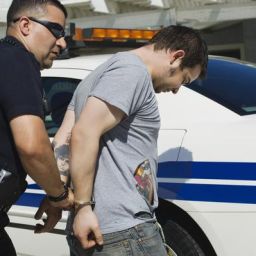
Tampa drivers, pedestrians, and bicyclists should be aware that local law enforcement is increasing its focus on traffic safety as part of a statewide effort to prevent serious injuries and fatal crashes.
On October 14, 2026, the Tampa Police Department announced that it is participating in a pedestrian and bicycle safety campaign in partnership with the Institute for Police Technology and Management and the University of North Florida. The initiative, part of the Florida Department of Transportation’s Alert Today, Alive Tomorrow effort, is scheduled to continue through May 2027. It combines targeted enforcement with public education intended to reduce dangerous behavior on local roads.
The campaign will focus on several busy Tampa corridors, including East Busch Boulevard, West Hillsborough Avenue, North Nebraska Avenue, East Fowler Avenue, Dr. Martin Luther King Jr. Boulevard, West Kennedy Boulevard, North Florida Avenue, Dale Mabry Highway, and downtown Tampa. These locations are among the areas identified for increased safety efforts under the program.
For anyone who drives, walks, or rides a bicycle in Tampa Bay, this is an important reminder. Understanding Florida’s traffic laws can help prevent crashes. Knowing what to do after a collision can make a meaningful difference when injuries and insurance claims are involved.
Why Tampa Is Increasing Pedestrian and Bicycle Safety Enforcemen
Pedestrians and bicyclists face a particular risk in collisions with motor vehicles because they have far less physical protection. A crash that might leave a vehicle occupant with relatively minor injuries can result in a traumatic brain injury, spinal injury, multiple fractures, or worse for someone walking or riding a bicycle.
The Tampa campaign is part of a broader FDOT initiative that uses enforcement and education in locations with histories of serious and fatal crashes. Hillsborough County is also conducting its own high-visibility enforcement program, with deputies focusing on designated corridors throughout the county through May 2027.
These efforts are not limited to motorists. Depending on the circumstances, officers may address speeding, failure to yield to pedestrians, improper turns, traffic-signal violations, handheld-device use while driving, unsafe pedestrian crossings, and bicycle violations.
The objective is to encourage safer decisions by everyone using the road.
More About Florida’s Traffic Law
Drivers must remain alert for pedestrians and bicyclists, particularly near intersections, marked crosswalks, bus stops, shopping areas, and locations where people regularly cross busy roads.
Florida law establishes specific duties for motorists and pedestrians. Drivers should approach crosswalks cautiously, obey pedestrian signals, yield when legally required, and check for people crossing before turning. A green light does not eliminate a driver’s responsibility to watch for pedestrians who may lawfully be in the roadway.
Turning movements should also be given some extra consideration. Drivers who concentrate on oncoming vehicles while turning left, or who rush through a right turn without checking a crosswalk may fail to see a person directly in their path.
Distraction can make these situations even more dangerous. Looking at a phone, adjusting navigation, or taking your attention off the roadway for just a few seconds can prevent you from noticing a pedestrian or cyclist in time to react.
Drivers should also remember that a citation is not the only potential consequence of unsafe driving. When negligent conduct causes an injury, the collision may lead to a civil claim for medical expenses, lost income, pain and suffering, and other legally recoverable damages.
Pedestrians and Bicyclists Should Understand Safety is a Shared Responsibility
Safety is a shared responsibility, but pedestrians and cyclists also have legal obligations.
Pedestrians should use available crosswalks and obey pedestrian signals. Before crossing, look for approaching traffic and make sure drivers have actually stopped when required. Avoid assuming that a driver has seen you simply because you are in a marked crosswalk.
Bicyclists should travel in the proper direction, use required lighting after dark, obey applicable traffic signals and signs, and follow the rules governing bicycle operation. Depending on the roadway and circumstances, cyclists may have specific rights and duties under Florida law.
Visibility matters, particularly at night, in poor weather, and on roads with limited lighting. Reflective clothing and functioning bicycle lights can help drivers recognize a cyclist sooner, although visibility precautions do not excuse a motorist from complying with applicable traffic laws.
Even when someone makes a mistake, that does not automatically resolve who is legally responsible for a resulting collision. Liability depends on the facts, the applicable law, and the evidence.
Injured in a Tampa Pedestrian or Bicycle Accident?
A serious crash can leave an injured person facing emergency treatment, missed work, rehabilitation, and uncertainty about how medical bills will be paid. Important evidence can also disappear quickly.
If you are involved in a pedestrian or bicycle collision, consider the following steps when it is safe to do so:
- Get medical attention. Call 911 for an emergency. Some injuries, including concussions and internal injuries, may not be immediately apparent. Follow medical advice and keep records of treatment and symptoms.
- Report the collision. Contact law enforcement when appropriate and provide accurate information. Obtain the incident or crash-report details when available.
- Preserve evidence. If you can safely do so, photograph the scene, vehicle positions, bicycle damage, road conditions, traffic signals, crosswalk markings, and visible injuries. Keep damaged equipment and clothing if they may help document the impact.
- Identify witnesses and possible video. Obtain contact information from witnesses. Nearby businesses, residences, vehicles, or traffic systems may have relevant footage, but recordings can be overwritten or deleted. Promptly identifying potential sources can be important.
- Keep records of your losses. Save medical bills, receipts, insurance correspondence, repair estimates, and documentation of missed work. Maintain a record of symptoms and how the injury affects your daily activities.
- Be careful with insurance statements and settlement offers. Provide accurate information, but do not guess about facts you do not know. Before accepting a settlement or signing a release, understand what claims may be affected and whether future treatment or losses have been adequately considered.
How Florida Insurance Rules May Affect an Injury ClaiM
Florida’s no-fault insurance system can complicate pedestrian and bicycle injury claims. Depending on the circumstances, an injured person may have access to personal injury protection (PIP) benefits through an applicable motor vehicle policy, including a policy covering a vehicle in which the injured person was an insured occupant. Other coverage may also be relevant.
Standard Florida PIP benefits generally provide up to $10,000 in medical and disability benefits, subject to statutory requirements and limitations. The amount available and whether a particular injured person qualifies depend on the policy, the person’s status, the circumstances of the collision, and applicable law.
When injuries are serious, PIP may not cover all losses. A claim against an at-fault party may be possible, but Florida law imposes requirements that must be evaluated based on the particular injury and circumstances. Available insurance, comparative fault, and the evidence can all affect the outcome.
It is important not to assume that the first insurance payment, or the first settlement offer actually represents the full value of an injury claim
Why Evidence and Fault Matter After a Cras
A police report can be an important starting point, but it does not necessarily answer every question about civil liability. Investigators and insurance companies may examine witness statements, photographs, surveillance footage, vehicle damage, roadway conditions, medical records, and other evidence.
Florida’s comparative-fault rules may also affect recovery when more than one person contributed to a collision. The legal consequences depend on the facts and the applicable statutory exceptions. A pedestrian or cyclist’s alleged mistake does not, by itself, mean that a motorist bears no responsibility. And a driver’s citation does not automatically establish every element of a civil injury claim.
Preserving evidence and obtaining a clear understanding of the applicable law can help an injured person make informed decisions about the next steps.
Protect Yourself Before and After a Tampa Bay Cras
Tampa’s new safety campaign is a timely reminder that road safety requires attention from motorists, pedestrians, and cyclists alike. Slowing down, avoiding distractions, following traffic controls, and looking carefully before crossing or turning can help prevent devastating injuries.
But when a collision does occur, injured people may face difficult questions about medical expenses, insurance coverage, lost income, and legal responsibility.
If you or someone in your family has been injured in a pedestrian, bicycle, or motor vehicle accident in Tampa Bay, The Fernandez Law Group can help you understand the issues that may affect your claim and the options available to you.